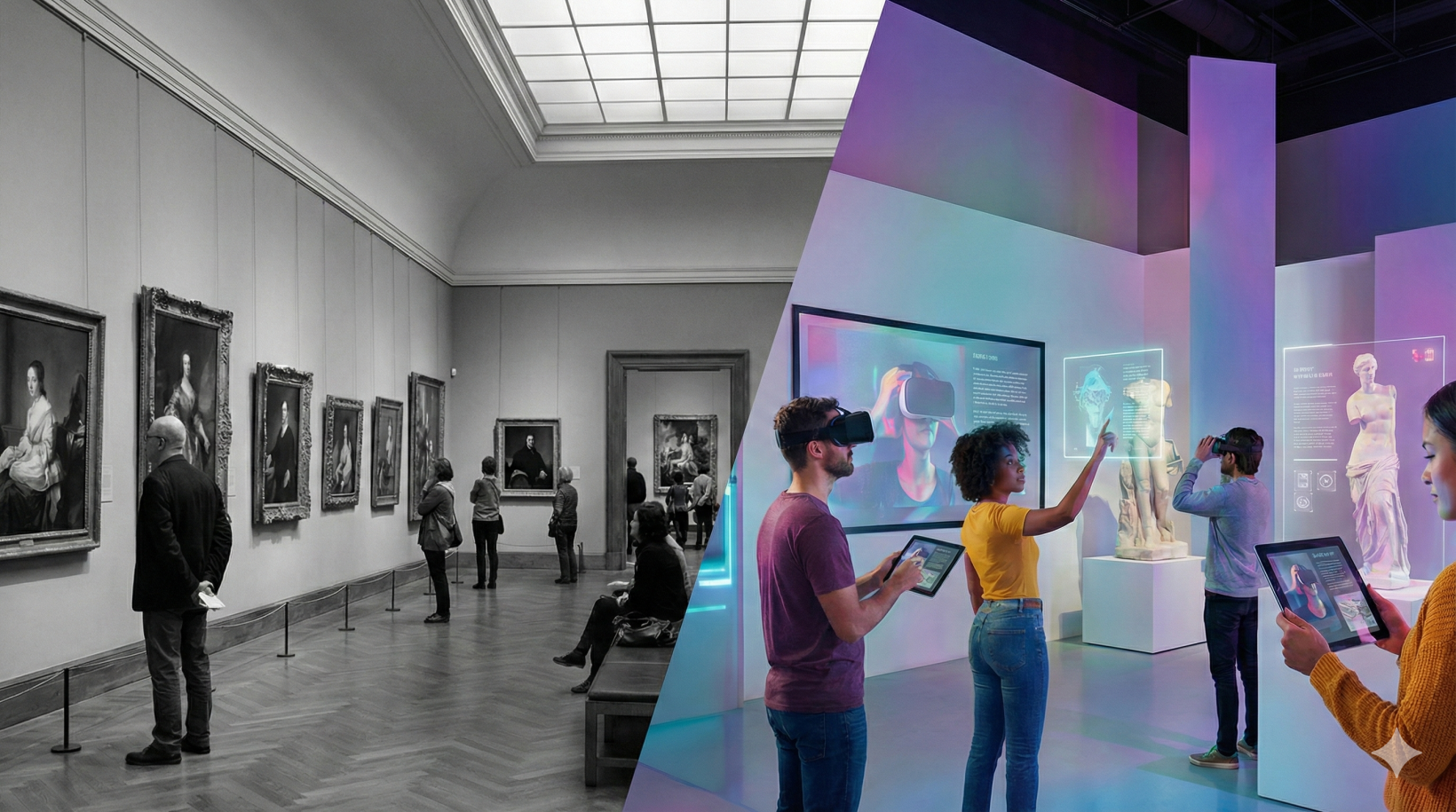
Museums 4.0: VR, AR and interactive installations at the heart of the new museum experience
Today, crossing the threshold of a museum means more than just walking quietly past glass display cases. The paradigm has shifted: visitors are no longer just looking for information; they seek connection, emotion, and participation. They want to feel like an integral part of the story, not just passive spectators.
The way we experience culture is undergoing a revolution driven by technology. Thanks to interactive installations, Virtual Reality (VR), and Augmented Reality (AR), museums are transforming into experiential laboratories where visitors can live, touch, and interact with content. This evolution represents an extraordinary opportunity for curators and educators to increase engagement and the educational value of their exhibitions.
Here is how three key technologies are redefining the museum experience.
1. Interactive Installations: The Visitor as Protagonist
Interactive installations break the "do not touch" rule, turning the visitor into the engine of the action. These tools create an immediate bond, stimulating curiosity and empathy through play and direct reaction.
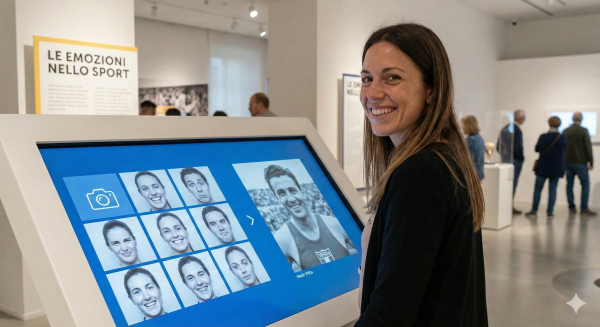
Case Study: "Emotions in Sport" (Le Emozioni nello Sport)
An excellent example is the installation at the Gallerie di Trento. Here, facial recognition technology isn't used for its own sake, but as an emotional bridge:
- The station detects the visitor's presence.
- It proposes an emotion to replicate with one's own face.
- Once the expression is recognized, it displays historical images of athletes in the same emotional state.
The Result: It creates a unique path that combines personal experience with sports culture. For schools, it is an immediate educational tool; for families, a moment of fun and empathetic sharing.
2. Virtual Reality (VR): A Dive into History
VR has the power to break down physical and temporal barriers. It is no longer about imagining what a room or historical event was like: with VR, you step inside it.
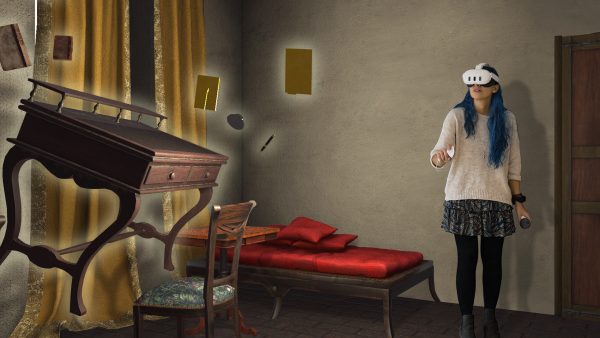
The Casa Gramsci Experience
At Casa Gramsci, virtual reality allows visitors to move through historical rooms, interact with documents, and experience environments that would otherwise be inaccessible or too fragile for continuous foot traffic. This total immersion stimulates a deep understanding of the content, allowing the public (especially younger generations) to experience history firsthand, enhancing heritage in an innovative way.
3. Augmented Reality (AR): Unveiling the Invisible
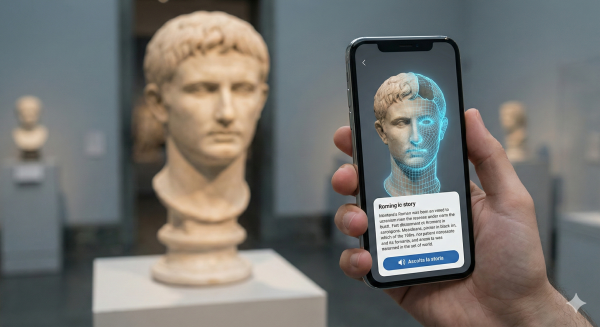
While VR takes us elsewhere, Augmented Reality enriches the "here and now." AR adds a digital layer to physical reality, turning every exhibit into a mine of information.
Through the screen of a smartphone or tablet, a simple artifact can:
- Show its original 3D reconstruction.
- Tell its story through animations.
- Offer tailored educational insights.
AR makes the visit customizable and dynamic, transforming the museum into an inclusive and modern space, perfect for sharing on social media.
Why Invest in Immersive Technologies?
These solutions are not just entertainment gimmicks, but strategic levers that offer measurable benefits for cultural institutions:
- Engagement and Dwell Time: Interactivity keeps visitors longer and increases the likelihood of return visits.
- The "Wow" Effect and Word of Mouth: Emotional experiences generate spontaneous shares on social media, improving the museum's visibility.
- Educational Enhancement: Workshops and school visits become more effective thanks to the immediate language of technology.
- Flexibility: Digital content can be updated or modulated without having to restructure the physical layout.
- Reputation: The museum positions itself as a cutting-edge institution, attentive to new languages and new generations.
Conclusion: Towards an "Active" Culture
The future of museums inevitably passes through interactivity. Experiences like those in Trento or Casa Gramsci demonstrate that transforming observation into participation is not a passing trend, but a necessity to keep cultural heritage alive and relevant.
Investing in immersiveness means making culture accessible, inclusive, and unforgettable. It is time to transform the audience from silent observers into active protagonists of the story.