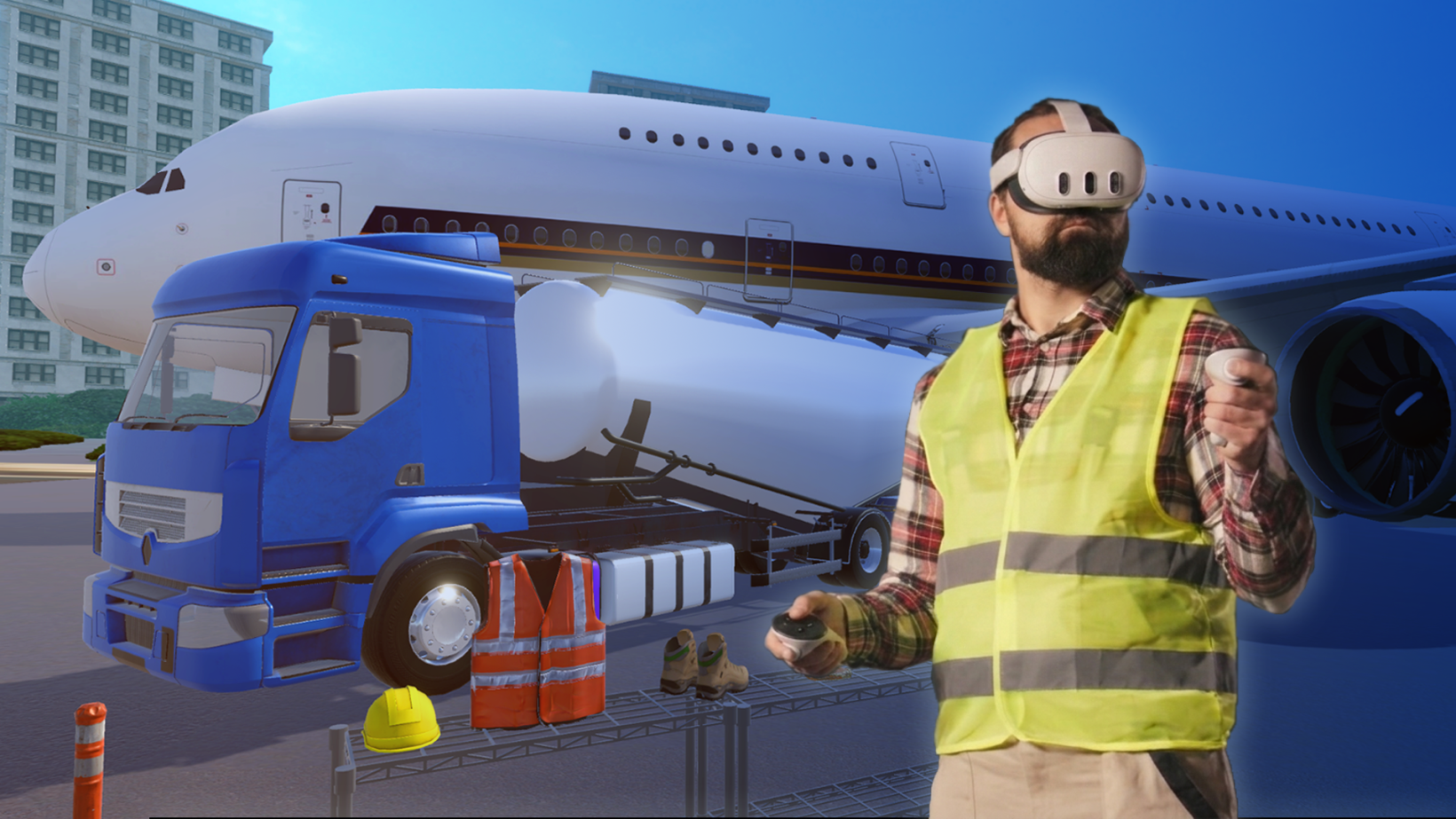
Light-PEM
University of Calabria
College students, professionals in the energy and transportation sectors, and the general public
Project TypeVirtual Reality (VR)
ScopeEducation & Training
An immersive simulator that transports the user into the hydrogen value chain and assesses their skills in managing it.
To develop an educational and outreach tool that makes hydrogen technologies, scientific data, processes, and applications easy to understand, allowing users to practice operational procedures without posing a risk to people or infrastructure.
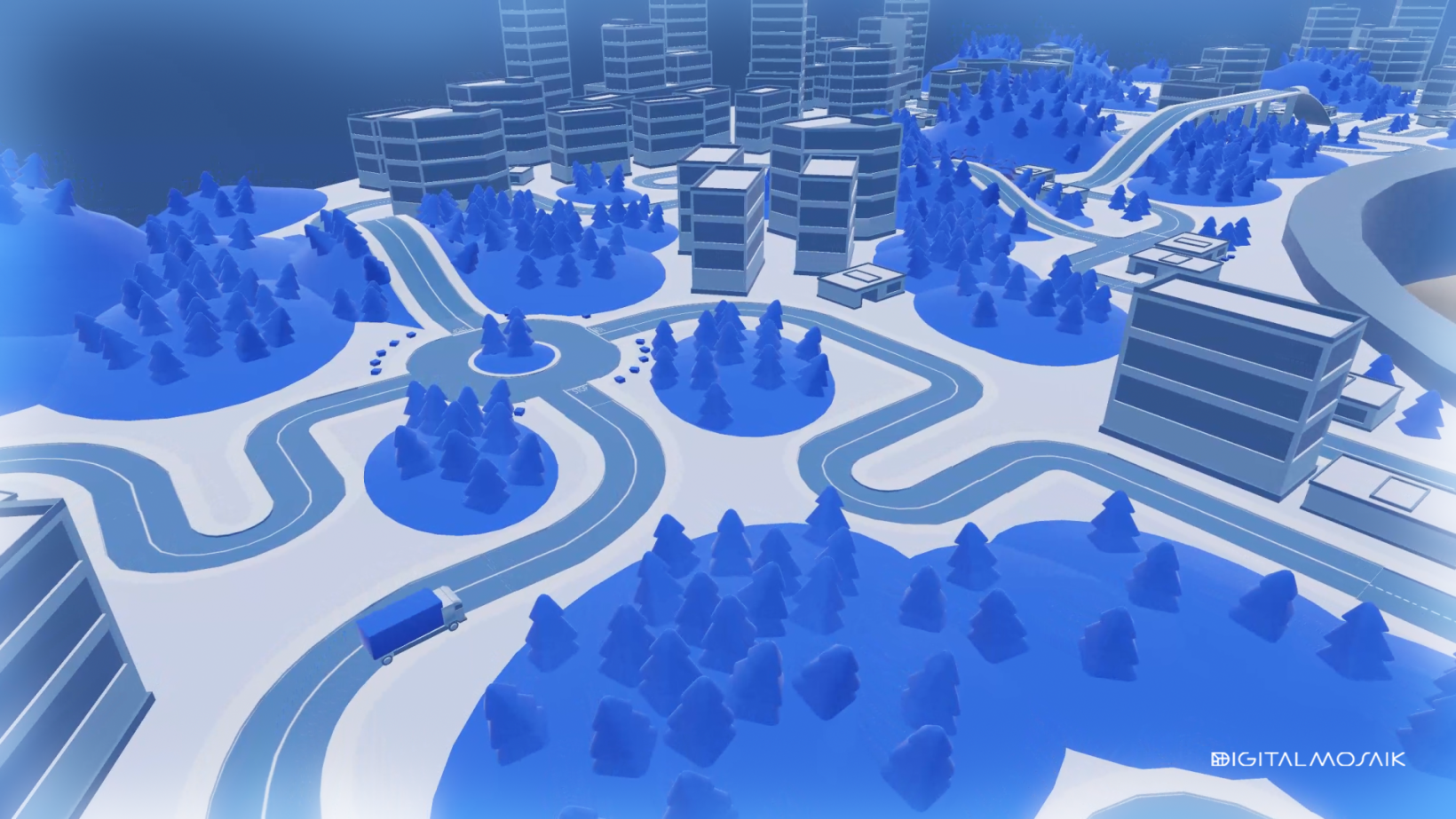
A VR simulator featuring seven scenarios that simulates the refueling of trucks and aircraft with hydrogen, with a guided tutorial mode, a self-guided test mode, and a dashboard for analyzing performance.
The project
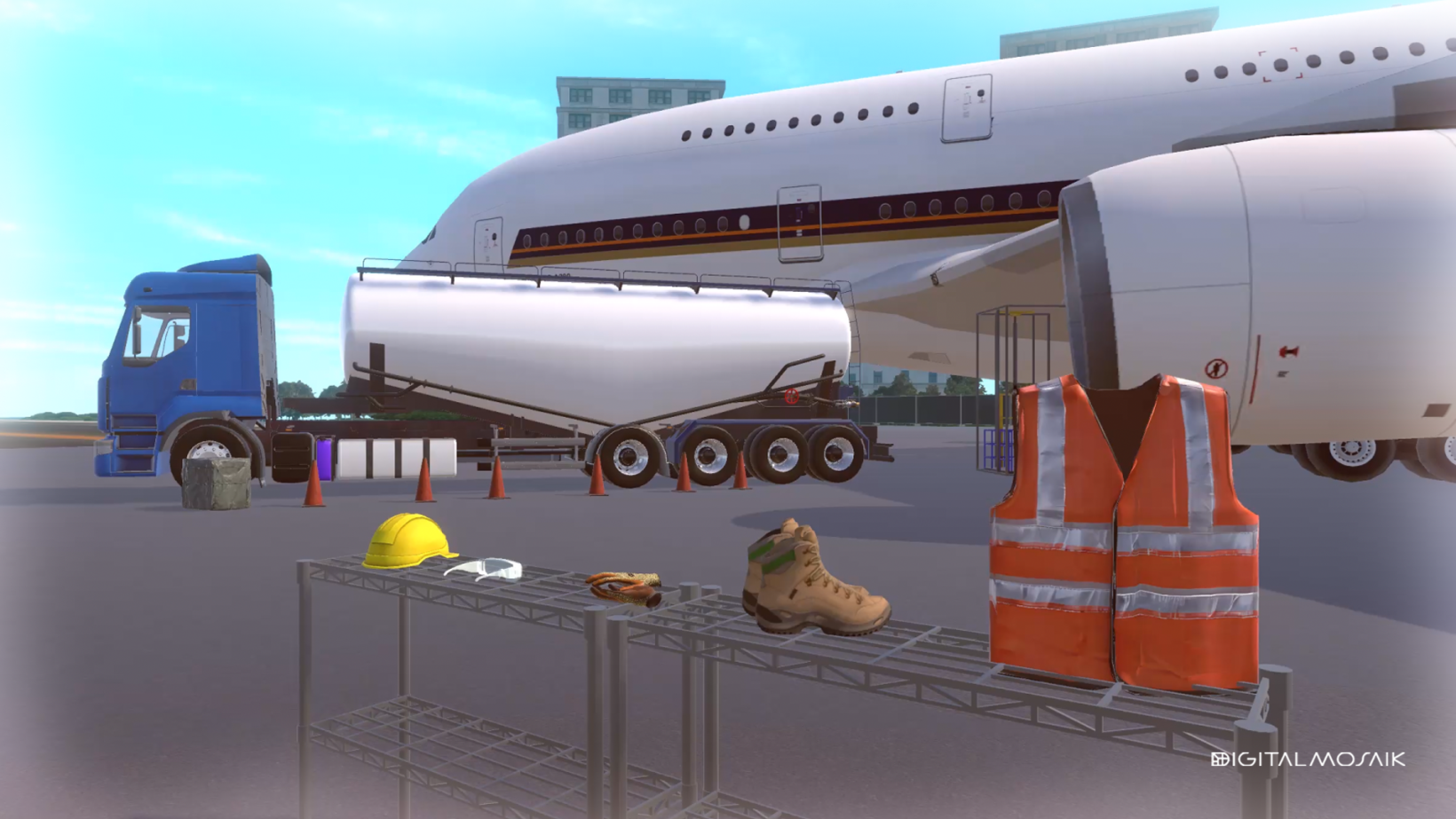
Light-PEM was developed for the University of Calabria, which combines research, teaching, and outreach on hydrogen, a key energy carrier for the energy transition. Complex concepts that are difficult to grasp on paper—such as pressures, temperatures, flow rates, and safety protocols—are translated into a spatial environment and literally placed in the user’s hands.
Within a hyper-realistic virtual environment, users can perform routine operations and handle emergency situations with zero risk to people or infrastructure, repeating each maneuver until they have mastered it completely. Originally designed for advanced university education, Light-PEM has also proven extremely effective in educational contexts, offering content tailored to the user’s prior knowledge. The result is knowledge that goes beyond theory: it is put into practice, experienced, and measured.
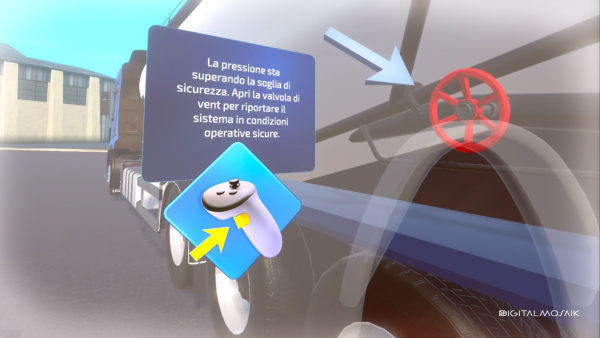
Inside the experience
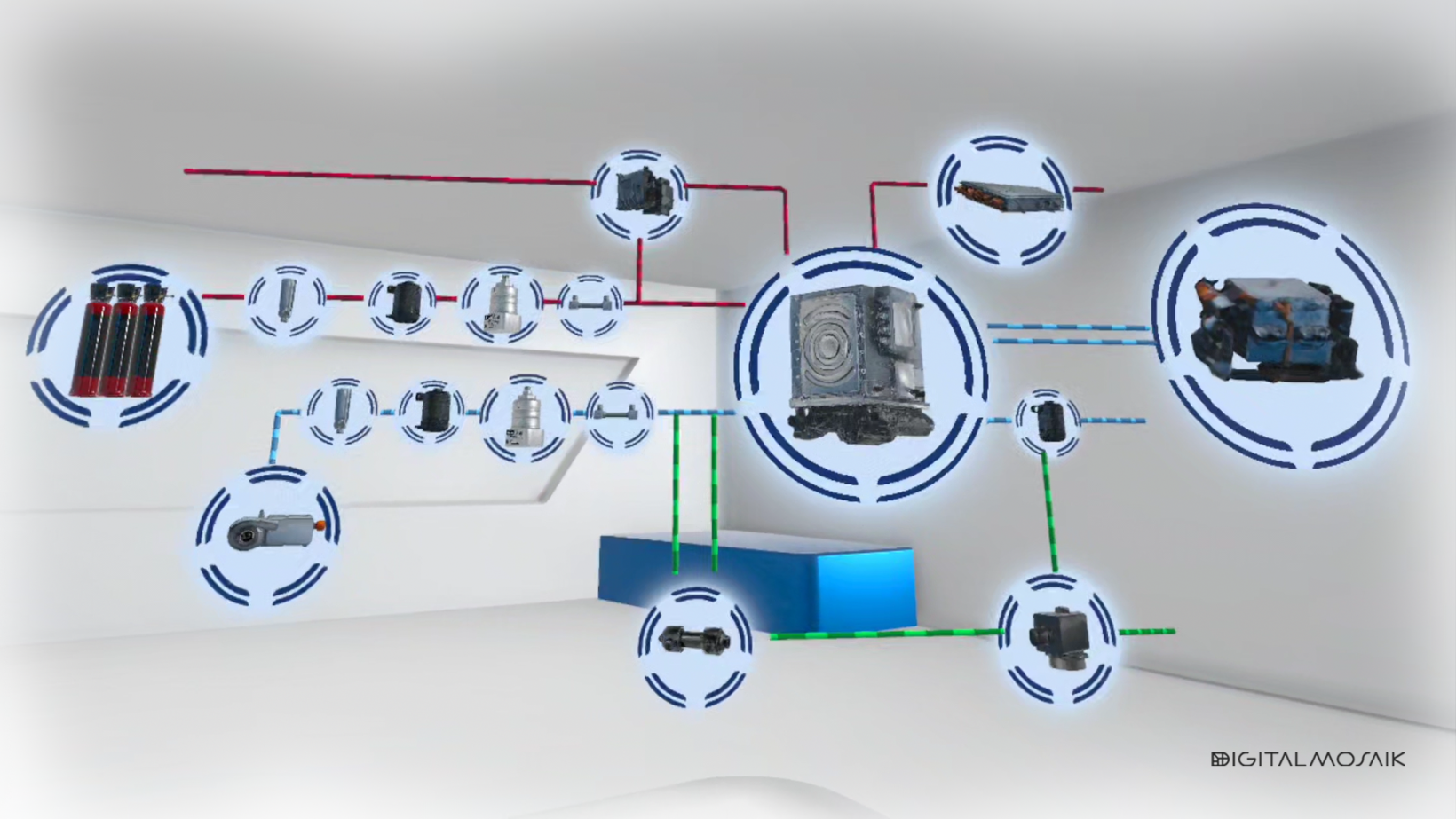
Once the headset is on, the user selects the operational mode (Light, Medium, or Heavy Duty) and gains access to seven immersive missions: from loading hydrogen onto trucks and aircraft, to managing critical scenarios, to exploring how a fuel cell engine works.
- Tutorial Mode: The system guides the user through every single step. The user puts on PPE (Personal Protective Equipment), fills out the operational checklist, and verifies safety parameters before any interaction.
- Test Mode: The user operates completely independently. The system works in the background, evaluating execution times, margin of error, and decision-making ability.
During simulations, real-time holographic interfaces display fuel consumption, remaining hydrogen mass, range, distance traveled, and energy required: every action provides immediate feedback on the entire ecosystem. At the end of the session, the data is compiled into a dedicated dashboard, designed to track users’ learning curves and analyze their progress over time.
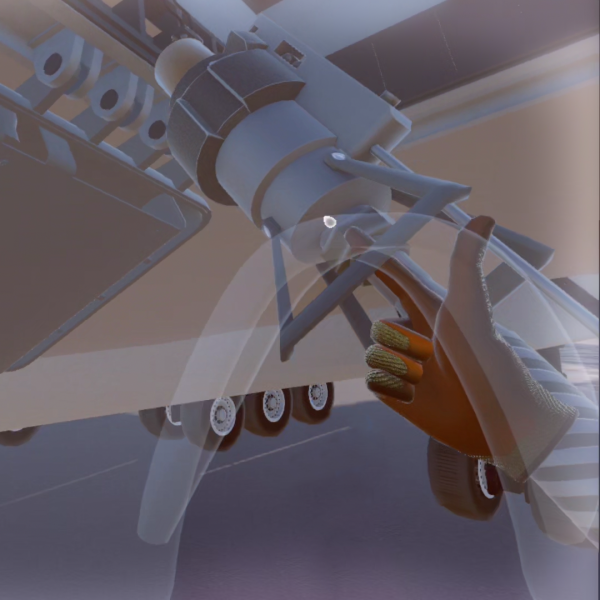
About the design
Light-PEM alternates between realistic environments—such as the refueling apron, the tanker truck, and the aircraft—and schematic, abstract views, such as the city map on which the missions unfold. This allows for a continuous transition from the operator’s practical tasks to an understanding of the system as a whole. Technical information is integrated into the 3D space through panels, checklists, and interfaces operated with virtual hands, ensuring that immersion remains uninterrupted and the data becomes part of the action. The visual language, built on shades of blue and graphic elements reminiscent of the hydrogen molecule, combines technical rigor with clarity. The instructional design operates on two levels: accessible for those new to hydrogen, and rigorous for those studying it at the university level. In this way, public outreach, research, and university education engage in a dialogue with one another.